

Travel Smart: 12 Tips for Traveling With Baby or Toddler 0 12

travel with baby tips

Traveling with your toddler is like traveling with a rock band: it’s all about tote and carry. My motto: you have to be prepared. If you are prepared ahead of time, you and your child will be better suited for a successful travel experience.

Here are 12 Tips for Traveling With a Baby or Toddler:

1. If you’re traveling by plane, book a seat that has a bassinet connection, and a separate seat for your older child, if needed. During the pre-boarding phase, have one parent pre-board the bassinet or the toddler’s car seat, then de-board the plane until it’s closer to take-off time. This way, the bassinet or car seat is ready to go, but you and your child can use the extra 30 minutes walking around being active instead of waiting out that time seated on the crowded plane.

2. Be prepared with snacks and fluids. Be sure to pack nonperishable foods. Keep baby hydrated because airplanes are drying. I also recommend bringing a sippy cup or bottle — something to suck on to help relieve air pressure, especially during take-off and landing.

3. Bring lots of extra clothing and diapers. If traveling by plane, dress your baby or toddler in layers that can be taken off if your child gets too hot, or layered back on if your child gets too cold. A cold baby is a crying baby. And remember, whether you are traveling by plane or by car, messes can happen, so always have an extra outfit and diapers close by and easily accessible.

4. Bring favorite items that your child associates with sleep. Bring his favorite toy, favorite blanket, and favorite pillow, so he is both comfortable and cozy. You want to bring things onboard that your baby associates with bedtime, so that you can give him cues that help put him to sleep, rather than having to give him medicine for sleep. And finally, pull down the shades in the airplane. In a car, you can use sun shades to block light out from the windows. All of this can help baby calm down and go to sleep.

5. Bring your child’s favorite toys. Make sure you bring only soft toys – nothing that has sharp edges or that can hurt him if there is turbulence. Having his favorite toys with him will help him feel secure and comfortable, and keep him happily occupied.

6. Bring wrapped toys, treats, or activities. I used to wrap up small and soft toys for my children, so that it took time for them to open and kept them occupied. A toddler, especially, will industriously focus on whatever is hidden in a surprise package. This can be an exciting activity for him. Keep these toys in your bag until he starts getting tired or cranky, and you will have something new and exciting to both distract him and peak his interest.

7. Pack fun items that have to do with the countries or states you are visiting. Bring snacks that are special to your final destination. Tell him stories about the places you are going. Pack a portable DVD or load up your iPad with apps or games. Also, include games and storybooks about the countries or states you will be visiting. Thus, a family trip can become both a fun and memorable journey, as well as a teachable moment.

8. Try not to take trips that are longer than 6 hours. Children are little people and if they are sitting in a particular spot for long periods of time, it’s unhealthy, just as it is for adults. If you are driving, try to plan stops along the way that are safe, public, and allow you to walk around a bit. Do your homework and plot out well-lit rest stops, restaurants, or malls along your route, so that you can all get out of the car, and so your baby or toddler is not confined to a seated position for hours.

9. Consider scheduling trips around your child’s sleep time. Your child can get into his jammies as soon as he gets onboard a plane or into a car, and, fingers crossed, go right to sleep.

10. Always sit right next to your baby. You are his comfort zone, you are HOME to him… mom and dad are everything. So if you’re driving in a car, have one parent drive while the other parent sits in the backseat with your child. This way, you don’t have to keep looking back to comfort him, because he will feel safe and secure with you seated next to him.

11. When driving, keep your child interested with music and games. Sing songs, tell stories, make up rhymes, and play games… the key is to keep him interested. Playing Baroque music can also help calm and soothe your child; therefore, keep it handy so that you can reach it whenever you need it.

12. Pack fully-charged technology — and don’t forget portable chargers. Prepare ahead of time and make sure that your tablet and phone are fully charged, and that you have extra chargers readily available with you on the plane or in the car, in case the batteries run low during your trip.

At the end of the day, whether you travel by plane, train, or automobile, the idea is to be sure you are prepared. Plan well, pack well, and schedule well. Children will look forward to trips if you make them child-centered, fun adventures. Remember, you are only as happy as your least-happy child, so keep in mind the age and needs of your little traveling companion, and a good time can be had by all.

This article originally appeared on Huffington Post and was written by Dr. Gail Gross
Previous ArticleNext Article

Leave a Reply

How to Have Fun When Snorkeling in the Water 0 21

Sometimes, it can feel as though everyone knows how to snorkel—and they all love it. However, snorkeling for the first time can feel a little intimidating. You are wearing an unfamiliar contraption, breathing into a tube you aren’t sure you can trust, and navigating a totally new and possibly hostile environment. But don’t worry! By following a few simple protocols, you will soon join the ranks of people who love to snorkel!

Make Sure Your Equipment Works

The first rule of snorkeling is to test your equipment before heading out. Your snorkel equipment should include a variety of tools like a mask, a mouthpiece, a purge valve, a tube, a semi-dry air valve, a strap, and a snorkel clip. Flippers are also helpful. First, check your mask. You know your mask has a proper seal if you can suction it to your face and it won’t fall off, even without the strap. Adjust the strap ahead of time so that it fits firmly. Test the seal by putting your face in the water. No water should get in. Next, try breathing underwater. If the snorkel clip is holding the tube in the correct position, you should be able to breathe normally. Next, go deep enough to submerge your entire snorkel. If the air valve is working correctly, no water should flow into your mouth. Finally, test the purge valve by pushing a hard, quick breath into the mouthpiece. This should remove any water from the tube.

Watch Out for Dangers

When snorkeling in the ocean, your biggest dangers are riptides and sea life. Choose an area that is calm and free from riptides. You know there is a riptide when a portion of water is flowing in the opposite direction from the breaking waves. The best snorkeling water is free of waves, anyway, because the water will be much clearer. You should also watch out for marine life. Avoid touching animal life in the water. If possible, only snorkel in waters where there is a lifeguard on duty. Finally, stay close to shore or your boat.

Stay With a Buddy

It is always best to snorkel with a buddy. You can watch out for each other and come to one another’s aid if necessary. If one of you gets into serious trouble, the other can call for help, as well. Plus, snorkeling with a buddy is more fun! You will see some amazing things, and it is natural to want to share the experience with a friend.

Snorkeling can introduce you to a beautiful underwater world filled with magical sights. It can open your eyes to so many new discoveries. Be prepared, exercise caution, and have an amazing time!

Check out this article on how to enjoy a vacation on a lake!

7 Most Iconic Places To Visit On Your Next Trip To Australia 0 24

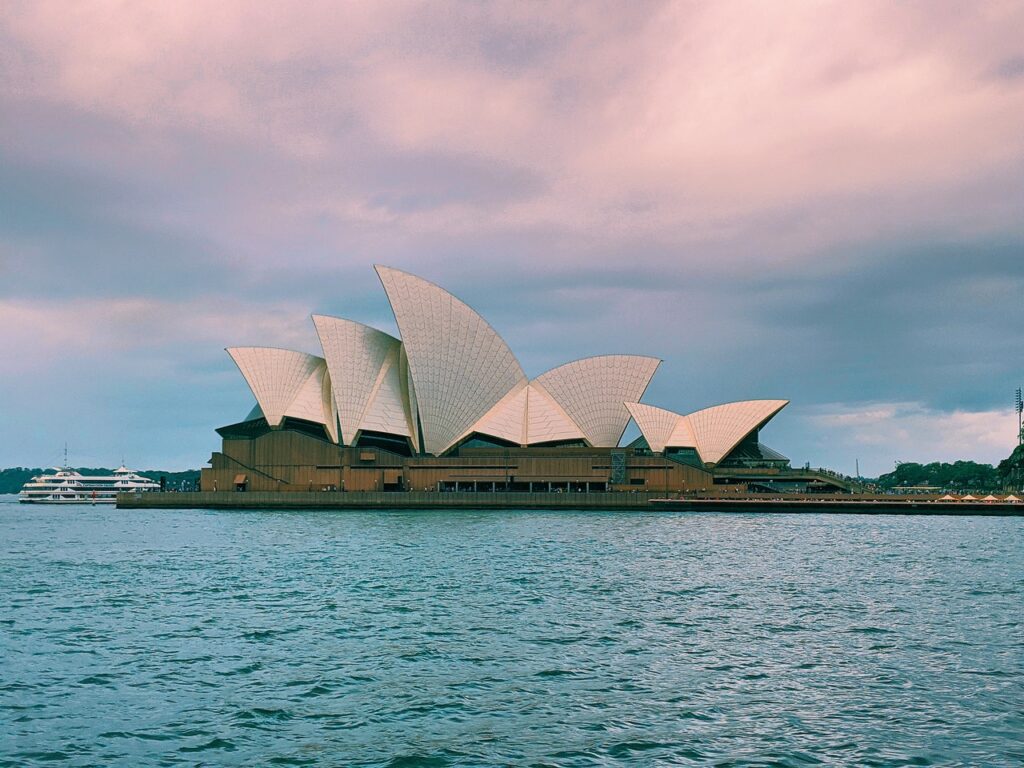
sydney opera house

Australia is a sovereign transcontinental nation that comprises the mainland of the Australian continent, the island of Tasmania and numerous smaller islands. There are many unique attractions and activities to explore whilst in Australia.

If you’re looking for the perfect holiday destination, here are some of the top locations to visit on your next trip to Australia.

There’s plenty to see and do on the land, including the beaches, mountains, and waterfalls. Alternatively, you can hire a campervan and drive around the country, enjoying the scenery and wildlife.

Sydney Harbour

One of the most popular destinations in Australia is the city of Sydney, which is considered the country’s cultural capital. A number of attractions are located along the coast, which makes it a popular choice for travellers.

The 240-kilometre-long Sydney Harbour is lined with gardens and parklands and is the second-largest harbour in the world. There’s even a Sydney Harbour Bridge Walk that offers panoramic views of the city. It’s not difficult to get lost in the picturesque harbour. The area is also home to the magnificent Sydney Opera House, which opened in 1973. It is a must-see for visitors to Australia.

Sydney Opera House

The Sydney Opera House is another iconic landmark that you must visit. The majestic structure is one of the top tourist attractions in the country. It is not only the most famous landmark in the country, but it is also one of the most photographed places in the world.

This world-famous Australian opera house is the largest of its kind in the world and one of the most popular places to visit in Australia. Visiting the Sydney Opera House is a must for any tourist in Australia.

Cable Beach

Cable Beach is one of the most iconic beaches in Australia spanning over 22 kilometres in length. It’s not the longest beach, but it is a famous one. You can ride a camel around the beach at sunset, which is an experience you’ll never forget. Camels came to Australia from Afghanistan in the 1800s and were used to traverse the harsh landscape better than horses. Their contributions to Australia’s history are well documented.

The Great Barrier Reef

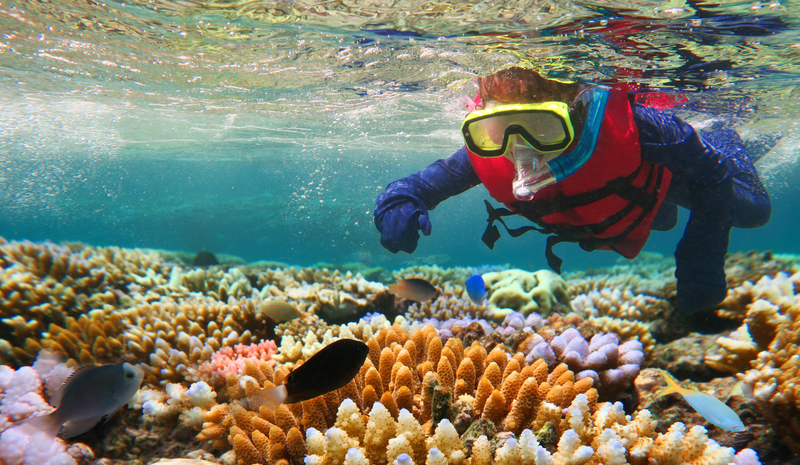
The Great Barrier Reef is a must-see destination in Australia. You can admire the reef from the air, but this famous natural wonder is best experienced from the water as you can swim or snorkel.   It is the largest natural reef in the southern hemisphere. 

There’s much more to explore than just the Great Barrier Reef. The Australian inland boasts the famous Uluru, which is the country’s most iconic landmark.

Uluru / Ayers Rock

Apart from the Great Barrier Reef, Australia’s outback is home to other iconic landmarks, such as Uluru. At an altitude of 348m, the towering rock is an impressive sight, and the surrounding desert plain is also a stunning backdrop. Its eerie appearance has made it a popular tourist destination in Australia.

The Australian Outback

The famous ‘Outback’ region of Australia is a popular destination for tourists. Its limestone cliffs, gnawed by the Southern Ocean, are tall pillars of sandstone. The wetlands of the Northern Territory are a perfect habitat for the animals and plant life of Australia and are home to many unique species of birds.

Norfolk Island

If you want to experience the beauty of the Pacific, you must travel to Norfolk Island, an Australian island in the South Pacific. The reason why Norfolk Island is considered one of the most iconic places to visit in Australia is the stunning scenery. It is about eight kilometres across and is one of the most beautiful places in the world.

When you travel to Norfolk Island, you will be able to see the magnificent blue ocean, as well as the stunning, untouched beaches. You can also spot the Norfolk Island green parrot, which is a symbol of the island. You can see this amazing bird from the lookout at Mount Pitt, where you will have a 360-degree view of the entire island. At Puppy’s Point clifftop, you can get an enviable view of the sunset or star-gazing.

If you like to get in touch with nature, you should visit the Discovery Centre. It features exhibits on seabirds and the natural history of the island. You can also take a tour of the Captain Cook Monument, where the explorer James Cook first landed in 1774. A picnic here is a great way to spend the day. If you’re looking for some good local food, you should try the local cuisine on Hilli Goat Farm.

Key Takeaways

There’s a great deal more to see in Australia than just the sea. You can take a scenic flight over any city for a truly spectacular view. If you’re planning a holiday to Australia, these are some of the most iconic places you can’t miss. One travel secret to know before you plan your journey is that you get to experience a lot more than just Australia when you visit here. While the country is vast and diverse, these are some specific places that are considered “must-sees” by locals and tourists alike.

AUTHOR BIO:

Nancy Canavesi works as a Senior Travel Consultant at Channers on Norfolk. Being a travel enthusiast, she loves to write and blog about travel-related topics. Channers on Norfolk offers holiday apartments on Norfolk Island with a range of options. It is situated within walking distance of restaurants, cafes and shops.

Editor Picks